Budgeting and Living Debt-Free
(This was presented at the McLean Stake LDS Women's Conference on October 19, 2013)
(This was presented at the McLean Stake LDS Women's Conference on October 19, 2013)
I would like to start the class this evening with two little stories which will tie into our discussion about budgeting and living debt free.
Story Plan
I have a friend with a son who is embarking on his Eagle Scout Project. This is a son with some special needs and they were delighted to find a project that was perfect for him: He will be collecting men’s clothes that will be distributed at a monthly dinner hosted by the Methodist Church near the Arlington Ward Building whom we have partnered with for some charitable events. When Boy Scouts start their project, they are asked to plan it out, giving details about how it will be accomplished. So, his mother, Kristen got a long sheet of paper and had him draw a picture of the project.
He started with two boxes filled with men’s clothes. From there, she asked,
1. “How are you going to get those boxes of clothes?” He thought and then drew in a couple boxes at our ward building that would be for collection.
2. “How did the clothes get in the box?” He drew some tables where people would sort the clothes and then put them in the big boxes. She asked,
3. “How will people know what they are for?” So, Isaac drew some signs and a ward bulletin, and someone speaking at a pulpit announcing the project.
4. “How do the clothes get to the Methodist Church?” He drew several cars carrying the boxes there.
5. “How do you get approval for the project?” He drew several adult scout leaders signing his papers. He connected the pictures in order with arrows so he would know what to do first, second and so on.
By the time he was finished, he had connected all the different steps of his project with arrows and he had a story from beginning to end of how he would successfully complete his Eagle Scout Project. It was step by step, easy to see. I’ve been thinking about this Eagle Scout Story for about a month now and can see how it could be used in all sorts of situations. Tonight, I think we can use it as a model for financial independence and becoming debt free.
The second story is about a trip I recently took to Africa to climb Mt. Kilimanjaro. Mt. Kilimanjaro is the highest mountain in Africa and I wanted to make it to the very top at 19,000 feet. While I was training for several months, I posted pictures of the mountain on my refrigerator and filing cabinet where I would see it often. I pictured myself at the top of the mountain. I visualized myself walking up steep parts. I knew that if I would focus on the top, I would get there.
This is kind of like having a reaching the top and feeling free and on top of the the mountain of debt--in control, no longer looking up at a looming obstacle but overcoming it. If we focus on the goal of getting out of debt, we will have strength, even when it is difficult. We can say positive things to ourselves like, “I am going to be debt free,” or “I will make it through this time and it will get better.”
Let’s start with a picture of where we want to be:
Benefits of Financial Independence--DISCUSS
What is the goal for financial independence? Let’s think about the end product and make a list. Where do you want to be?
(Group participation)
Material Goals Non-Material Goal
--have enough for needs --not worry
--be able to buy a house --less stress
--get rid of debts --happier marriage
--enjoy some nicer things ----savings for emergencies
--go on a vacation
--be able to send kids to college and missions
--be able to serve as a senior missionary
Tonight, I will be talking about the following:
1. General Principles toward Financial Independence
2. A plan for getting out of debt
3. Baby Steps--A plan you can implement going forward
4. Ways to save money
5. Lessons learned
1. General Principles toward financial independence
Tonight we’re going to talk about some things you can do to get to that point. First I’d like to share some principles that my husband and I have used in our marriage:
1. Pay tithing first. (Very, very excellent talk by Elder Bednar in the October 2013 general conference, Saturday morning session). On a personal level, he talks about ways that paying tithing blesses us. . . sometimes we receive financial blessings, sometimes we have to think a little harder.
A few examples he gave in his talk included a family who noticed that they had been extraordinarily healthy; their medical bills were very low.
A 2nd example was someone who felt they were able to have especially good ideas for a new business.
A 3rd example was of someone who instead of a pay raise, received the ability to do more with what they had through creativity and frugality.---
I have a testimony that when we pay the Lord first, we will be blessed.
2. Spend less than you earn -----distinguish between needs and wants. examples: (I say wants----group defines what the actual NEED is)
Need new pants----I want 4 pairs? I need 2 pairs?
I need a shirt. I want a designer shirt that fits perfectly and is the perfect color?
I need adequate food. I want dessert.
I need clean drinking water. I want imported bottled water.
I need adequate shelter. I want a large, beautiful house.
I need adequate clothing, suitable for my work. I want a large wardrobe, styled to my own taste.
I need an adequate income. I want wealth.
I need adequate transportation. I want a flashy sports car.
I need exercise. I want a gym membership.
I need to communicate. I want the most current apple product.
(Sometimes there are hard questions though: i.e. sports jacket for high school student, clothes for children so they feel accepted at school---personal story: When I was in 4th grade, waffle stompers (boots with big treads on the bottom and ankle high) were the rage. I wanted some so badly, but my parents wouldn’t give in. There were designer jeans that I wanted, but they wouldn’t buy them. . . I wished they had, but I survived)
3. Save something from every paycheck---no matter what. Have it taken out monthly and deposited automatically, some banks match your change or deposit the change up to the next dollar into an account. You hardly notice, yet you are saving. Of course, there should be savings for college for children, retirement, and emergencies. We’ll talk more about that a little later.
4. Define priorities for you and discuss it with others who are involved in your finances
When couples view each other as partners with an equal voice, and when both desire to maintain a loving relationship, they will be more likely to find mutually satisfying solutions to financial disagreements. Effective communication in financial matters includes a knowledge of income and expenses by both spouses. (August 1996 Ensign ("Getting out of the Debt Trap"))
Couples should define their priorities for where they will save money. Everyone will have different priorities. For some, it is a large house, for others, saving money for travel is important. Sometimes spending money on furthering education is a priority,or food choices, clothing, or personal appearance.
Personal story: When my husband was working on his undergraduate degree in international relations with an emphasis on the Middle East, we decided that a semester in Jerusalem would be an excellent experience for him (and us, since we were married). It was very expensive and we were just married. He was a full-time student, had a part-time job. I had graduated so I had a full-time job and a part-time job. We lived in very inexpensive housing--a very, very old house in Provo. We consulted on EVERY purchase down to a candy bar and saved every penny. We made it to Jerusalem.
As a result of that excellent experience, we determined that in our marriage, we would value travel and experiences in the world over other material possessions. So, we do not own a fancy or big house. Our furnishings are simple. But, we have been able to travel to many wonderful places. The important thing is that we have been united in that desire and it has been a wonderful thing in our marriage.
As a result of that excellent experience, we determined that in our marriage, we would value travel and experiences in the world over other material possessions. So, we do not own a fancy or big house. Our furnishings are simple. But, we have been able to travel to many wonderful places. The important thing is that we have been united in that desire and it has been a wonderful thing in our marriage.
What happens if you are in financial difficulty now? What do you do?
2. DEBT SNOWBALL SYSTEM---demonstration--cups and marshmallows? jelly beans?
I’d like to spend a few minutes now on how to cutting back debt using the Debt Snowball method. There was an excellent article in the July 2011 Ensign on this topic with some tables that I will share as we discuss it.
Here are five examples of debts one might have:
A shopping spree with a credit card debt of $356.00 with a minimum payment of $8.
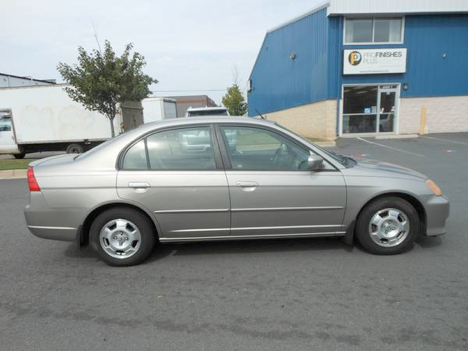
A car, not the newest model, but reliable and safe: $18,670 with a minimum payment of $450.

Student loans totaling $2,360 with a minimum payment of $58.

Personal loan from grandparents for $150. Minimum payments is $50.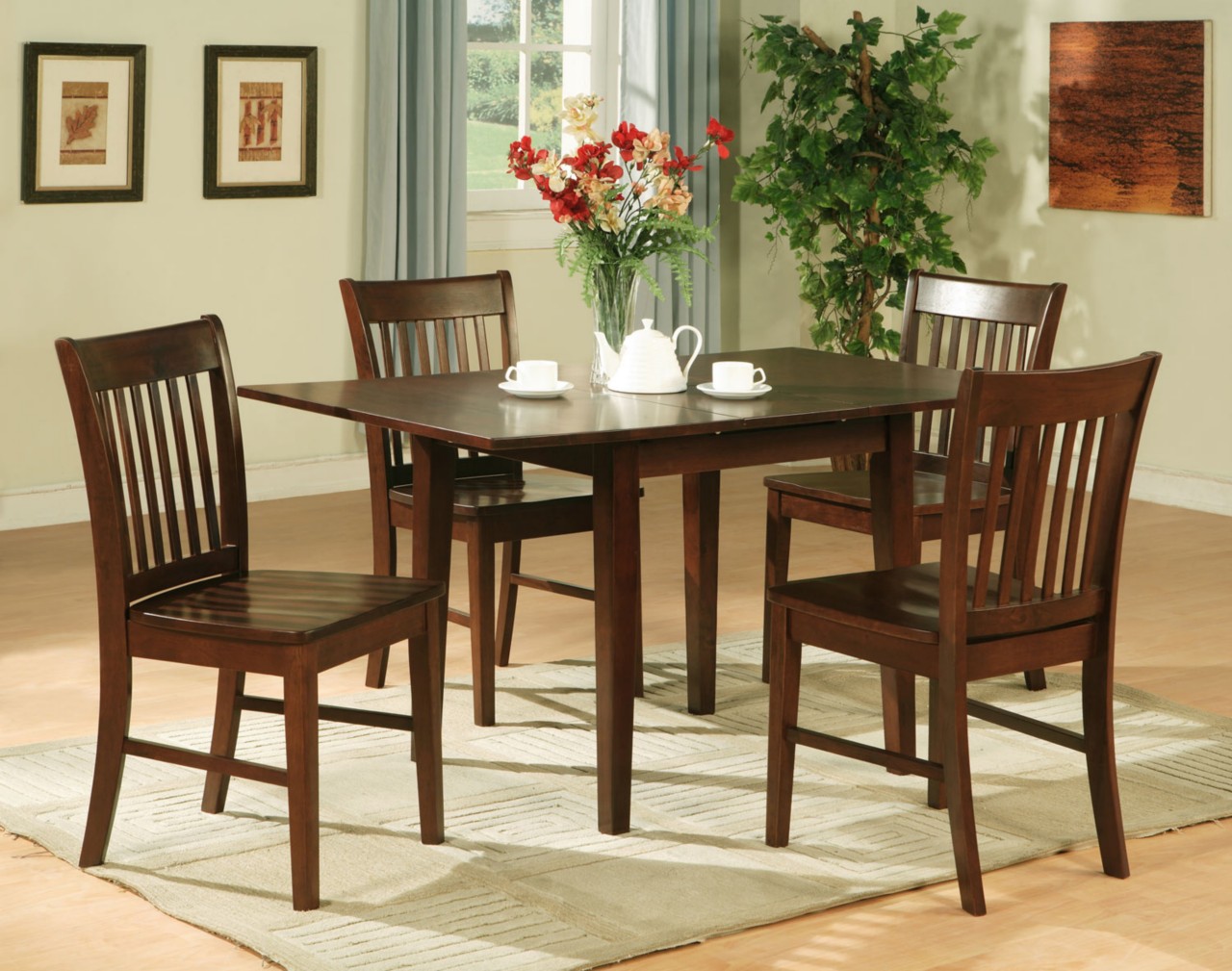
Furniture Store credit card for $1350. Minimum payment is $30.
New appliances with a $323 balance (you paid some cash). Minimum payment is $8.
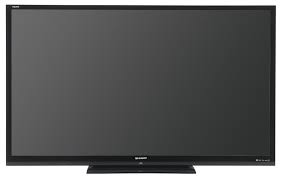
A new T.V. for $629. Monthly minimum payment is $17.
Two more credit card debts:
$402 with a minimum payment of $12, and $435 with a minimum payment of $13.
Debt Snowball Plan (See Ensign July 2011)
The first step is to gather bills every place you owe money. Place them in order from smallest debt to largest. You do not need to look at the interest rate. Make a table and write down the minimum monthly payment required for each bill. Now, if you have a little extra money to put toward this debt, use it on the bill with the lowest balance. You will pay all of the minimum payments and put your extra money toward the bill with the lowest balance. Soon, that one will be paid off. Then, you take that payment amount plus your extra and add that to your payment for the second bill. When that one is paid off, use that same amount of money and put it toward the third bill. This way, you pay the same every month, but your debt is decreasing ever more rapidly.
July 2011
Debt
|
Balance
|
Payment
|
Rate
|
Family Loan
|
$150
|
$50
|
0
|
Credit Card 1
|
$323
|
$8
|
17.9
|
Credit Card 2
|
$356
|
$8
|
24.9
|
Credit Card 3
|
$402
|
$12
|
19.9
|
Credit Card 4
|
$435
|
$13
|
18.9
|
Credit Card 5
|
$629
|
$17
|
14.9
|
Credit Card 6
|
$1350
|
$30
|
13.9
|
Student Loans
|
$2360
|
$58
|
4.7
|
Auto
|
$18,670
|
$450
|
7.5
|
Totals
|
$24,675
|
$646
|
October 2011 (3 months later)
Debt
|
Balance
|
Payment
|
Rate
|
Family Loan
|
$0
|
$0
|
0
|
Credit Card 1
|
$313.31
|
$58
|
17.9
|
Credit Card 2
|
$354.12
|
$8
|
24.9
|
Credit Card 3
|
$385.73
|
$12
|
19.9
|
Credit Card 4
|
$416.26
|
$13
|
18.9
|
Credit Card 5
|
$601.09
|
$17
|
14.9
|
Credit Card 6
|
$1306.41
|
$30
|
13.9
|
Student Loans
|
$2213.16
|
$58
|
4.7
|
Auto
|
$17,663.80
|
$450
|
7.5
|
Totals
|
$23,253.88
|
$646
|
April 2014 (33 months later)
Debt
|
Balance
|
Payment
|
Rate
|
Family Loan
|
$0
|
$0
|
0
|
Credit Card 1
|
$0
|
$0
|
0
|
Credit Card 2
|
$0
|
$0
|
0
|
Credit Card 3
|
$0
|
$0
|
0
|
Credit Card 4
|
$0
|
$0
|
0
|
Credit Card 5
|
$0
|
$0
|
0
|
Credit Card 6
|
$0
|
$0
|
0
|
Student Loans
|
$620.34
|
$196
|
4.7
|
Auto
|
$6496.26
|
$450
|
7.5
|
Totals
|
$23,253
|
$646
|
(supplement: Youtube explanation of the above scenarios: Debt Snowballing)
Getting Out of Debt—for Good, By Luke V. Erickson, Personal and Family Finance Educator
I borrow this advice from Dave Ramsey, a well-known financial advisor. He talks about taking baby steps. I like his plan. It is simple and you can see where you’re at and what comes next.
3. Baby Steps, Dave Ramsey
1. $1000 to start an emergency fund
2. Pay off all debt using Debt Snowball (we will talk about this tonight)
3. 3-6 month's expenses in savings
4. Invest 15% of household income in IRA and pre-tax retirement
5. College funding for children (529 plans)
6. Pay off home early
7. Build wealth and give!
Of course, the ideal situation is to not get into debt. Our church leaders have mentioned a very few instances where debt is justified: A home, and an education. They also mentioned perhaps an entrepreneurial business that has potential for financial stability. There may be cases where a car would fit into this category as a means to get to work, but that is rarely mentioned, actually. . .
4. Look for ways to save money--- How to get by on less? DISCUSS
A. Plan expenses (have a grocery list, don’t go when you are hungry, go without the kids--), coupons, learn where the best prices are (keep a notebook of “best prices”)
B. Research to buy large things (cheaper isn’t always better, sometimes/often pay more for a better quality product which will last longer is better)--Consumer Reports is very valuable.
C. Bargain (medical issue recently--paid cash and got 10% + a family discount knocked off the price), on anything over $100, “Is that your best price?”
D. Learn how to do things yourself by repairing and maintaining your belongings (youtube is a huge blessing--you can learn how to make your sweaters look good again when they have pills of threads, or how to unclog a toilet, or how to repair a bike etc.),
E. Put limits on your purchases (one friend does most everything on a cash basis--when the money is gone, it is gone),
F. Pay off credit cards in full each month---don't put more on them than you can pay off in a month!
G. Pay off your mortgage early: Pay a little more than required EVERY month
H. Keep a categorized record of what you spend. Mint.com was recommended.
Play around with a calculator for adding extra money ($1-$500 or whatever) to your monthly payment:
- Budget effectively so you can make mortgage payments of half the usual amount every two weeks instead of a full payment once a month, resulting in lower overall interest charges or the annual equivalent of an extra monthly payment or both. (Be sure to check first with your mortgage lender in case this payment program needs to be approved and set up by them.)
- Make one extra mortgage payment every year.
- Add an extra amount to the principal of every mortgage payment.
- Agree to apply some extra or windfall income to the mortgage.
- If the benefits outweigh the cost of doing so, refinance for a lower interest rate or to reduce the number of years required for repayment.
Escaping the Debt Trap , By Janene Wolsey Baadsgaard, August 1996 Ensign
5. Lessons learned from financial independence
I subscribe to a magazine called “The American Music Teacher” In the October/November issue, there was an article by a Kathryn Schmidt who found herself in a new city because her husband had just found a job and they had moved. She did not have piano students, she didn’t have any contacts, she had a young child.
There are lots of reasons one might find himself/herself in a situation like this--for example, recently, the government shutdown, unemployment due to a variety of reasons, perhaps illness, a new baby, a move, just graduating from college.
She had some tips for dealing with life with money is tight:
1. Diversify and pursue new creative directions (when she didn’t have students, she had more time for practicing herself, she learned to garden, and she said how much she appreciated her time with her son)
2. There might be un-tapped resources in your neighborhood or community. In Kathryn’s example, she found listeners at church. There are assisted living centers with people who love visitors.
3. Find what is energizing for you: positive thinking, prayer, exercise, meeting neighbors, getting involved in the community, celebrating small accomplishments.
4. Realize what you are learning. Her list included the following:
A. She is more grateful for what she has.
B. She is more discerning of what she needs
C. She takes better care of her belongings
D. She chooses more wisely when she shops
E. She and her husband became less materialistic
F. They were more aware of gifts which don’t cost money.
G. They were more creative on how to entertain themselves without spending so much
H.They learned how to be satisfied with gently used items.
I. They are more resilient, more creative, more trusting.
